

Starting a business without an LLC is like building a house without insurance. Arizona law makes it easy to protect your personal assets with an Operating Agreement. Download yours today — attorney-reviewed and Arizona-compliant.
Start a small business from scratch with this beginner-friendly guide. Learn costs, success strategies, the 1% rule, and how to build, launch, and grow your business online.
How to Start a Small Business
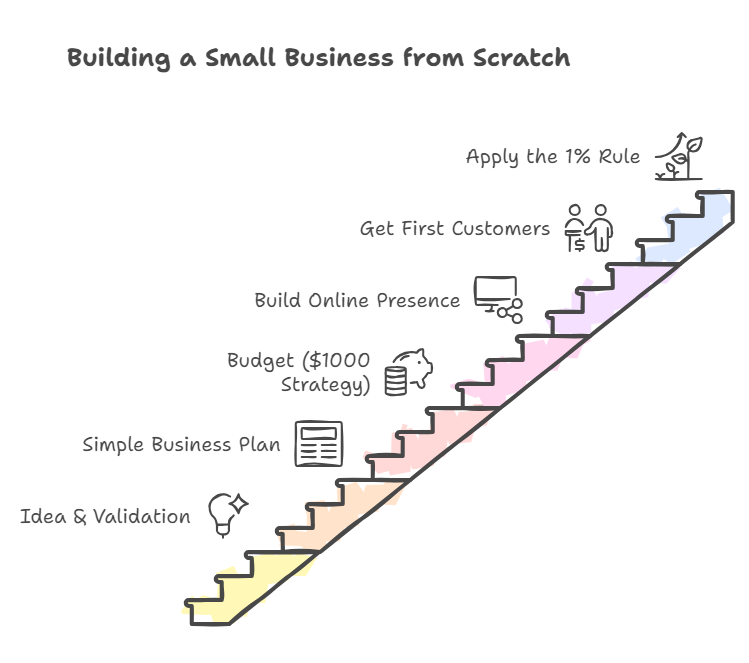
Starting a small business can feel overwhelming, but the truth is most successful businesses begin with simple, clear steps. If you’re wondering how to build a small business from scratch, it starts with identifying a problem you can solve and a group of people willing to pay for that solution.
First, choose a business idea that fits your skills, budget, and market demand. Then validate it talk to potential customers before investing money. Many beginners skip this and build something no one wants.
Next comes structure. Learning how to build a small business plan is essential. Your plan doesn’t need to be complicated it should outline:
What you’re selling
Who your customers are
How you’ll make money
Your basic costs and marketing approach
Once that’s clear, you can move into execution. Today, many entrepreneurs focus on how to build a small business online, since digital businesses often have lower startup costs and faster scalability.
Is $1000 Enough to Start a Business?
Yes but only if you’re strategic.
$1000 is usually not enough for capital-heavy businesses like restaurants or retail stores. However, it can be more than enough for:
Freelancing or consulting
Dropshipping or e-commerce
Digital products (courses, templates, ebooks)
Service-based businesses
For example, if you’re learning how to build a small business website, you can launch using affordable tools. In fact, when people ask how much does it cost to build a small business website, the answer can range from $50 to $500 for a basic setup.
The key is to prioritize:
Revenue first (get customers quickly)
Low overhead
Skills you already have
What Business Has a 90% Success Rate?
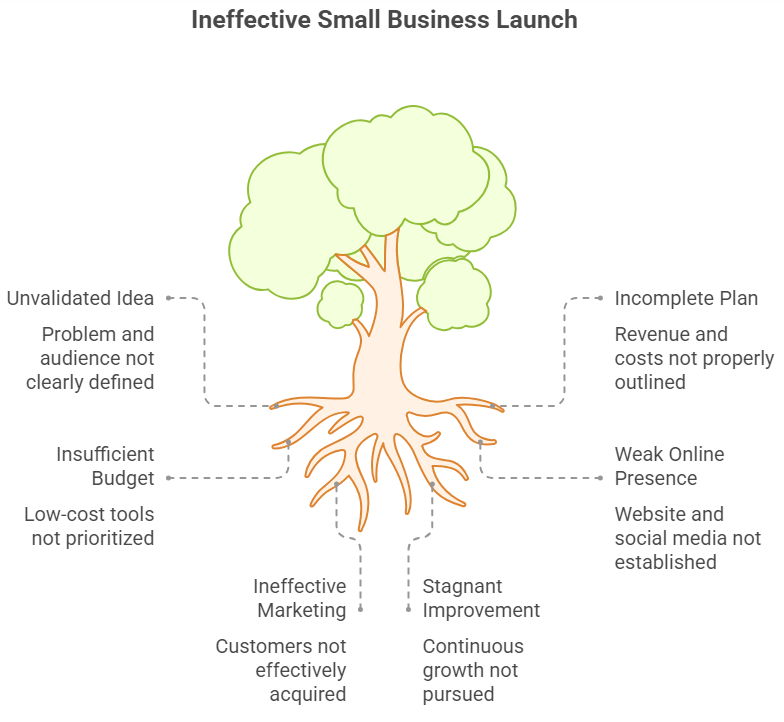
No business truly guarantees a 90% success rate but some come close due to lower risk and proven demand.
Businesses with higher success rates often include:
Service-based businesses (cleaning, tutoring, consulting)
Franchises with established systems
Businesses built around existing audiences
The reason these work is simple: they focus on demand before scale. If you’re studying how to use AI to build a small business, this can also improve your odds by reducing costs, automating tasks, and helping you analyze customer behavior early.
Success is less about the idea and more about execution, consistency, and adaptability.
What Is the 1% Rule in Business?
The 1% rule is about continuous improvement. It suggests that improving your business by just 1% every day leads to massive growth over time.
In practical terms, that might look like:
Improving your marketing message slightly each week
Refining your offer based on customer feedback
Making small upgrades to your systems or processes
Over time, these small changes compound into significant results.
Building Your Business Step by Step
Whether you’re exploring how to build a small business network, server, or even something niche like how to build a small business sims 4 (yes even virtual entrepreneurship can teach real principles), the process follows similar fundamentals:
Idea & Validation
Make sure people want what you’re offering.Planning
Learn how to build a small business plan that guides your decisions.Online Presence
Understanding how to build a small business website is crucial today. Many businesses fail simply because they lack visibility.Marketing & Growth
Use content, social media, and tools including AI to attract customers.Optimization
Apply the 1% rule to improve consistently.
How Long Does It Take to Build a Small Business?
This depends on the type of business.
A basic online business or website can take a few days to a few weeks (how long does it take to build a small business website varies based on complexity).
A fully operational business with steady income often takes 6–12 months.
Long-term, sustainable success can take years.
The important thing is momentum. Start small, launch quickly, and improve over time.
Final Thoughts
Starting a business doesn’t require perfection it requires action. Whether you’re researching how to build a small business book, listening to the best how to build a small business podcasts, or experimenting with digital tools, the key is to start simple and stay consistent.
You don’t need a huge budget or a groundbreaking idea. You need clarity, persistence, and a willingness to learn as you go.